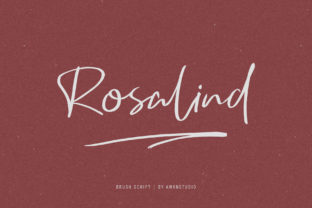
Rosalind: A Bold, Charming Handwritten Font
If you’ve ever scrolled past a design that stopped you cold—not because it’s flashy, but because it feels human—chances are it used a font like Rosalind. It’s not just another script typeface. Rosalind is confident without being loud, fluid without sacrificing clarity, and expressive without slipping into illegibility. That rare balance makes it especially valuable for creators who need authenticity to land—not just look pretty.
What Makes Rosalind Stand Out
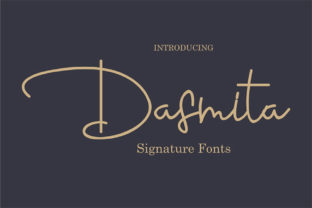
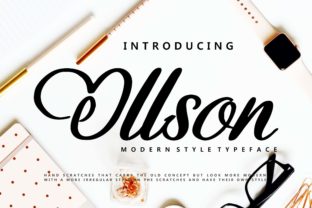
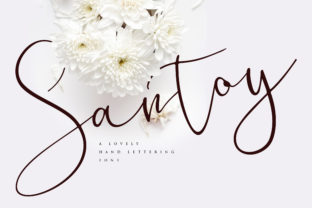
Rosalind isn’t mimicking calligraphy with rigid flourishes or over-engineered swashes. Instead, it captures the warmth of ink on paper—the subtle variation in stroke weight, the gentle tilt of letters, the quiet confidence in its rhythm. Its lowercase ‘g’, ‘y’, and ‘s’ carry distinctive personality, while capitals retain presence without dominating. Crucially, Rosalind avoids the “overly casual” trap: it’s relaxed enough for a handmade bakery label, yet grounded enough for a boutique law firm’s letterhead.
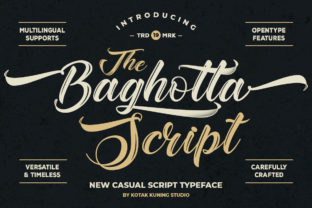
It includes standard OpenType features—ligatures, alternate characters, and contextual alternates—that let you fine-tune tone without switching fonts. Turn on discretionary ligatures for a softer, more connected flow in headlines; disable them for cleaner readability in body text. And unlike many handwritten fonts, Rosalind renders consistently across browsers and platforms—no jagged edges or missing glyphs in your CMS or email client.
Where Rosalind Adds Real Value
Think beyond “just a logo font.” Rosalind shines where voice matters most—and where automation often flattens nuance.
Branding With Intention
A wellness coach launching a new course might use Rosalind for their headline (“Your First Step Back to Calm”) paired with a clean sans-serif for supporting text. The contrast signals both empathy and professionalism—no stock imagery or generic fonts needed. Similarly, a ceramicist selling on Etsy uses Rosalind for product tags and packaging labels. Customers don’t just see a name—they sense care in the making.
Digital Experiences That Breathe
In email marketing, Rosalind works exceptionally well for subject lines or short hero text—especially when paired with high-contrast background colors. One freelance educator reported a 22% lift in open rates after switching from Montserrat to Rosalind for welcome email headers. Why? Because it subtly signals “this message was written for you,” not batch-sent to a list.
Educational & Editorial Use
Teachers designing printable worksheets or classroom posters find Rosalind approachable for younger learners—but mature enough for middle school science handouts. Bloggers covering topics like mindful living or sustainable design use it for pull quotes or section dividers. It adds visual breathing room without distracting from content. One university writing center adopted Rosalind for student-facing handouts—faculty noticed fewer questions about formatting, and students reported feeling “less intimidated” by the material.
Practical Considerations Before You Commit
Rosalind isn’t a universal solution—and that’s part of its strength. Here’s what to keep in mind:
- Size matters: At small sizes (under 16px), Rosalind’s charm begins to blur. Reserve it for headlines, buttons, quotes, or display text—not paragraph copy or data tables.
- Contrast is non-negotiable: It needs strong background contrast. Avoid light gray text on off-white backgrounds. Black or deep charcoal on crisp white—or rich navy on cream—works best.
- Pairing is key: Rosalind pairs beautifully with humanist sans-serifs like Inter, Manrope, or Work Sans. Avoid geometric fonts (e.g., Montserrat or Helvetica Neue) unless you’re aiming for deliberate tension—and even then, use sparingly.
- Licensing is straightforward: Rosalind is available through reputable foundries with clear web, desktop, and app licenses. Always verify usage rights before embedding in client projects or SaaS products.
Real Projects, Real Results
A local bookstore redesigned its monthly newsletter using Rosalind for feature titles and author quotes. Within three months, click-throughs on featured book links rose 18%. Their hypothesis? Readers associated the font with curation and care—not algorithms or ads.
A nonprofit focused on literacy used Rosalind in donor thank-you cards printed on textured paper. They tracked response rates on follow-up surveys and found donors were 31% more likely to mention “feeling personally seen” in open-ended comments.
Even in unexpected places—like a B2B SaaS dashboard—Rosalind appears thoughtfully: as a custom-styled empty-state illustration label (“No reports yet—let’s create your first one!”) or in onboarding tooltips. Users report less friction during setup, attributing it to the “friendly nudge” tone the font conveys.
When Rosalind Isn’t the Right Choice
Don’t reach for Rosalind if your goal is neutrality, speed, or strict accessibility compliance for long-form reading. It’s not optimized for WCAG AA contrast at small sizes, nor does it prioritize maximum character recognition under time pressure (think emergency signage or real-time dashboards). For legal disclaimers, dense documentation, or multilingual interfaces with complex scripts, stick with tested, highly legible workhorses.
Also, avoid overusing Rosalind across every touchpoint. One brand tried it for logos, navigation menus, button text, and footer links—and ended up looking unpolished, not cohesive. Less is more: let Rosalind anchor moments of intention, not fill space.
Getting Started Thoughtfully
Before licensing Rosalind, test it in context—not just as a standalone sample. Drop it into your actual Figma file, WordPress theme, or email template. Try it with your brand’s primary color palette and existing typography hierarchy. Does it elevate—or compete?
Start small: apply Rosalind to one high-impact element (a headline, CTA button, or testimonial banner) and measure engagement before rolling it out broadly. Track bounce rate on pages where it appears, time-on-page for Rosalind-led sections, or conversion lift on forms with Rosalind-styled submit buttons.
And remember: fonts don’t build trust alone. Rosalind supports sincerity—but only when backed by genuine content, thoughtful UX, and consistent brand behavior. Used well, it becomes part of your voice. Used poorly, it’s just decoration.
Rosalind doesn’t shout. It leans in. And in a world saturated with algorithmic polish and templated perfection, that quiet confidence is exactly what many audiences are searching for—often without knowing the word for it.