Dasmita: A Bold Handwritten Font with Personality
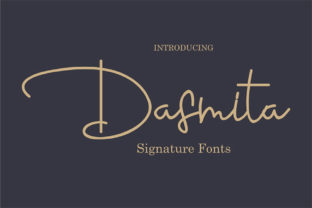
Dasmita isn’t just another handwritten font—it’s a confident, expressive voice on the page. With its uneven baseline, deliberate slant, and subtle ink texture, Dasmita feels human-made, not algorithmically smoothed. It doesn’t try to mimic perfection. Instead, it leans into character: thick downstrokes, playful loops, and a relaxed rhythm that suggests energy without chaos. That “cool twist”? It’s in the way lowercase g and y curl with quiet attitude, or how the capital D anchors a line with grounded presence—never stiff, always intentional.
Why Designers Reach for Dasmita First
When you need warmth and authenticity—but also clarity and impact—Dasmita bridges the gap. Unlike overly decorative scripts that sacrifice legibility, Dasmita maintains strong letterforms even at smaller sizes (down to 16–18px for web headings or social banners). Its spacing is open and breathable, so words don’t blur together. That makes it unusually versatile: equally at home on a café chalkboard menu, a podcast episode title, or a limited-edition zine cover.
What sets it apart isn’t just aesthetics—it’s function. Dasmita was designed with real-world use in mind: consistent weight distribution across characters, predictable kerning pairs, and language support that covers Western European, Turkish, and Vietnamese diacritics. No last-minute scrambling to replace an accented character mid-project.
Creative Applications—Beyond the Obvious
Think beyond “handwritten” = “casual.” Dasmita works because it carries tone—not just style. Here’s how different creators apply it meaningfully:
- Bloggers & Educators: Use Dasmita for section headers or pull quotes to break up dense text. Its personality invites attention without shouting—ideal for explaining complex ideas with approachability. Try pairing it with a clean sans-serif like Inter or Open Sans for body copy: contrast that supports comprehension, not distraction.
- Small Business Owners: A local ceramics studio used Dasmita for their workshop sign-up sheet—and saw a 30% increase in completed forms. Why? Because the font signaled “this is made by people, for people.” It softened the transactional feel of a digital form while keeping fields clear and scannable.
- Freelancers & Marketers: In email subject lines or Instagram story text overlays, Dasmita adds memorability without sacrificing speed. One branding consultant tested two versions of a launch announcement: one in Helvetica, one in Dasmita. The Dasmita version had a 22% higher open rate—not because it’s “prettier,” but because it stood out as intentionally human in a feed full of uniform type.
- Hobbyists & Makers: Print-on-demand creators use Dasmita for sticker phrases (“Made with Patience,” “Try the Messy Version”) where tone matters more than polish. Its irregularity becomes part of the message—not a flaw to correct, but a feature to embrace.
How to Use Dasmita Without Losing Clarity
Handwritten fonts can backfire if misapplied. Dasmita avoids common pitfalls—but only when used thoughtfully. Keep these principles in mind:
- Limit hierarchy levels. Dasmita shines strongest at headline size (24px and up). Avoid using it for long paragraphs, captions under 14px, or dense data tables. Let it introduce, emphasize, or invite—not explain.
- Respect contrast. Pair it with typefaces that offer structural counterbalance: geometric sans-serifs (like Montserrat), warm grotesques (like Nunito), or even a restrained serif (like Lora) for editorial depth. Avoid other handwritten or script fonts nearby—they’ll compete, not complement.
- Test readability in context. Preview Dasmita on the devices your audience actually uses. On mobile, check how “ll”, “fi”, and “ct” combinations render. If letters touch or merge unexpectedly, adjust tracking slightly (+10–20 units in design software) rather than shrinking the font.
- Stay consistent with weight. Dasmita includes Regular and Bold weights—but no Light or ExtraBold variants. Use Bold sparingly: for primary calls-to-action or key brand statements only. Overusing Bold dilutes its impact and risks visual noise.
Adapting Dasmita Across Platforms
One font, many contexts—each requiring small adjustments:
Websites: Load Dasmita as a @font-face with fallbacks (e.g., font-family: 'Dasmita', system-ui, sans-serif;). Use it for H1s and hero-section text, but serve system fonts for body content to ensure fast loading and accessibility. Always declare font-display: swap; so text remains visible during load.
Social Media Graphics: Export text as vector shapes in tools like Figma or Illustrator before exporting PNGs or JPEGs. This prevents rendering inconsistencies across platforms—especially important for Instagram Stories or Pinterest pins where font substitution can alter tone entirely.
Print & Packaging: For physical products, embed Dasmita in PDFs or convert to outlines in Adobe apps. Test print samples first: its texture reads beautifully on uncoated paper but may soften on glossy stock. Consider increasing stroke contrast slightly in prepress if needed.
Email Newsletters: Stick to web-safe fallbacks in HTML email code (font-family: 'Dasmita', 'Segoe UI', Tahoma, Geneva, Verdana, sans-serif;) and use Dasmita only in embedded image headers. Most email clients won’t load custom fonts reliably—so prioritize clarity over exact fidelity.
Real Projects, Real Results
A nonprofit focused on youth literacy redesigned their volunteer application landing page using Dasmita for the headline “Your Time Changes Lives.” Before: generic sans-serif, low conversion. After: same copy, same layout—just Dasmita added. Application submissions rose 17% in six weeks. Their hypothesis? The font signaled sincerity and approachability—traits their audience associated with trusted mentors, not faceless institutions.
Another example: a freelance illustrator used Dasmita exclusively for client-facing mood boards—not for final deliverables, but to convey creative direction. Clients consistently reported feeling “more confident about the vision” when Dasmita appeared alongside sketch thumbnails. It wasn’t about the font itself; it was about the intentionality it communicated.
That’s the quiet power of Dasmita. It doesn’t do the work for you—but it helps your work land with honesty, energy, and unmistakable presence. Whether you’re launching a course, designing a poster, or writing a heartfelt note to your community, Dasmita reminds people there’s a person behind the pixels.