Damas: A Charming Handwritten Font
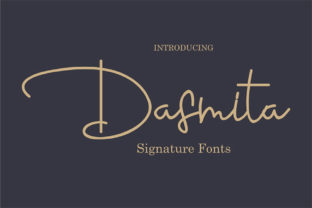
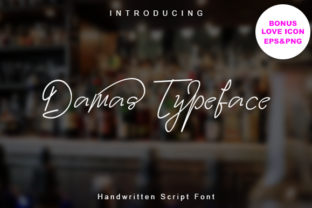
Damas is a beautifully crafted handwritten font—delicate, expressive, and intentionally small in feel. Its letters flow with subtle variation, soft curves, and gentle irregularity, mimicking the warmth of ink on paper. It’s not overly ornate or theatrical; instead, Damas balances personality with quiet confidence. That modest scale—its “small feel”—makes it especially effective where intimacy, authenticity, or approachability matters most.
Why This Font Resonates Across Different Needs
What makes Damas useful isn’t just how it looks—it’s how it fits into real workflows and human intentions. A font choice is rarely about aesthetics alone. It’s about tone, trust, clarity, and context. And those needs shift depending on who’s using it and why.
For Designers & Creatives
If you’re crafting a brand identity for a local bakery, an indie magazine, or a wellness app, Damas adds tactile humanity without overwhelming the layout. Its compact x-height and fine strokes mean it works gracefully at smaller sizes—think product tags, recipe cards, or Instagram story text overlays. Unlike bolder script fonts that dominate space, Damas supports rather than competes. You might pair it with a clean sans-serif for body copy, letting Damas shine in headlines, quotes, or callouts where emotional resonance matters more than density.
For Educators & Content Creators
Teachers designing printable worksheets, educators building online course materials, or bloggers illustrating reflection prompts often seek typefaces that feel welcoming—not intimidating. Damas conveys care and calm. Students encountering a worksheet set in Damas may subconsciously register less visual pressure than with rigid, high-contrast fonts. It’s also legible enough for short bursts of text (like learning objectives or journaling prompts), though not ideal for long paragraphs. Use it to highlight empathy-driven language: “Try this,” “What do you notice?”, “Your voice matters.”
For Small Business Owners & Marketers
When you’re managing your own branding—whether launching a handmade jewelry line or promoting a community workshop—Damas helps communicate sincerity over polish. It signals “I made this myself” without sacrificing professionalism. Consider it for business cards, email headers, or social media banners where personality strengthens connection. Just be mindful: Damas isn’t built for dense product descriptions or legal disclaimers. Reserve it for moments where feeling outweighs function—like a heartfelt thank-you note embedded in a Shopify confirmation page.
For Freelancers & Bloggers
If you’re curating a personal brand across platforms, Damas offers consistency with character. It works well in Canva templates, Figma mockups, or even as web font via @font-face (with proper licensing). Its light weight means fast loading when optimized, and its limited glyph set keeps file size lean—helpful if you’re balancing design impact with site performance. For bloggers writing about mindfulness, creative process, or slow living, Damas subtly reinforces thematic values without needing explanation.
What to Consider Before You Choose Damas
Not every project benefits from handwriting-style typography—and Damas has specific strengths and boundaries. Here’s how to match it thoughtfully to your goals:
- Ease of use: Damas includes standard Latin characters and basic punctuation. It doesn’t support extended language sets or advanced OpenType features like stylistic alternates or ligatures—so if multilingual publishing or typographic nuance is essential, test compatibility first.
- Flexibility: It shines in display roles—logos, posters, invitations—but isn’t designed for UI buttons, data tables, or long-form reading. Think of it as a voice you invite in for key moments, not one you ask to narrate the whole story.
- Presentation context: On screen, Damas performs best at medium to large sizes with generous line spacing. In print, it holds up beautifully on uncoated or textured paper—enhancing its hand-drawn charm. Avoid pairing it with other highly decorative fonts; contrast through simplicity tends to work better.
- Commercial value: Damas is available under licenses that permit personal and commercial use—including merchandise, digital products, and client work—provided you follow the license terms. Always verify permissions before embedding in apps or reselling font files.
A Note on Learning & Growth
Beginners exploring typography often start by noticing what “feels right.” That instinct is valuable—and Damas rewards it. Trying it in a simple poster or newsletter header builds intuition about hierarchy, contrast, and mood. More experienced users may dig deeper: adjusting letter-spacing for rhythm, testing color contrast for accessibility, or evaluating how it renders across devices. Either way, working with Damas invites attention to detail—not just as a technical skill, but as a way of honoring the people who’ll see your work.
Real Moments Where Damas Fits Naturally
Here are grounded examples—not hypotheticals—to help you picture where Damas belongs:
- A yoga instructor creates a seasonal PDF guide. They use Damas for section titles (“Breathe In,” “Set Your Intention”) and a neutral sans-serif for instructions—creating calm without clutter.
- A freelance illustrator adds Damas to their portfolio website banner. It complements hand-drawn thumbnails while keeping the focus on imagery—not typography.
- A nonprofit sends handwritten-style thank-you postcards to donors. Damas gives them authenticity without requiring actual handwriting—or extra time.
- A teacher designs a classroom “growth mindset” anchor chart. Using Damas for affirmations (“Mistakes help me learn”) softens the message and invites engagement.
- A small press formats poetry chapbooks. Damas appears in author bios and dedication pages—adding warmth without distracting from the poems themselves.
Damas won’t solve every design challenge. It won’t replace system fonts for interface text, nor will it carry complex infographics. But where connection matters—where you want someone to pause, lean in, or feel seen—that’s where Damas quietly excels. It’s not loud. It doesn’t shout. It simply offers presence, crafted with care.
If your goal is clarity above all, Damas may not be your first pick. But if you’re aiming for resonance—if your project lives at the intersection of craft, kindness, and quiet intention—then Damas isn’t just appropriate. It’s meaningful.