Harendegha Script
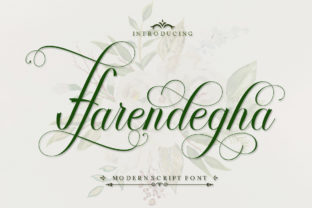
Harendegha Script is a romantic and delicate handwritten font with a joyful twist—designed not just to look beautiful, but to invite intention. It’s not a decorative afterthought; it’s a strategic tool for communicators who understand that typography shapes perception before a single word is read. When used deliberately, Harendegha Script signals warmth, authenticity, and human-centered care—qualities increasingly rare in digital-first environments where speed often overrides resonance.
Why Harendegha Script Fits Real-World Strategy
Typography isn’t neutral. It carries weight, tone, and unspoken context. Harendegha Script stands apart because its delicate strokes and gentle rhythm support goals rooted in connection—not conversion alone. For educators crafting welcome letters to new students, for small business owners designing seasonal packaging, or for freelancers building a personal brand portfolio, this font doesn’t shout. It leans in. That makes it especially effective when the objective is trust-building over attention-grabbing.
Consider how your audience interprets tone across touchpoints: an email subject line in Harendegha Script reads differently than one in Helvetica. Not better or worse—but more specific. It narrows the emotional aperture. That specificity becomes an asset when consistency matters more than scale—like nurturing long-term client relationships or guiding learners through emotionally complex material.
Where Harendegha Script Delivers Measurable Value
Harendegha Script excels in contexts where clarity meets empathy. Here are three high-leverage use cases grounded in real operational needs:
- Brand storytelling assets: Annual reports, founder letters, or “About Us” pages benefit from the font’s romantic sincerity—especially when differentiating from competitors relying on sterile sans-serifs. A boutique publishing house using Harendegha Script for chapter headings in a memoir collection signals editorial care, not just design flair.
- Learning and development materials: In asynchronous courses or downloadable workbooks, Harendegha Script softens cognitive load. Its joyful twist reduces perceived formality, making reflection prompts or journaling exercises feel inviting rather than prescriptive.
- Customer experience micro-moments: Handwritten-style thank-you notes embedded in digital onboarding flows—or printed post-purchase cards—gain authenticity when set in Harendegha Script. The delicacy reinforces effort; the joyfulness implies genuine appreciation, not automated goodwill.
Planning Your Use of Harendegha Script
Start with outcome, not aesthetics. Ask: What behavior or feeling do I want to support here? If the answer is “urgency,” “authority,” or “technical precision,” Harendegha Script is likely misaligned. But if you’re aiming to deepen engagement, soften transitions, or humanize systems—then it’s worth prototyping.
Test it at the sentence level first. Try rewriting a single call-to-action button label or headline in Harendegha Script alongside your current typeface. Does it clarify or complicate? Does it align with the emotional tenor of the surrounding content—or distract from it? Strategic typography isn’t about preference; it’s about functional harmony.
Also consider technical constraints. While Harendegha Script renders beautifully in print and static web graphics, avoid using it for body text in responsive layouts. Its delicate nature can lose legibility below 18px on low-DPI screens or in variable-width containers. Reserve it for headlines, pull quotes, logos, or short-form emphasis—never for paragraphs requiring sustained reading.
Risks of Using Harendegha Script Without Clear Intent
Without grounding in purpose, Harendegha Script can unintentionally undermine credibility. Its romantic quality may clash with audiences expecting rigor—say, in a financial services whitepaper or clinical training module. Worse, inconsistent application (e.g., mixing it with ultra-modern UI elements) creates visual dissonance that erodes perceived professionalism.
Another risk is overuse. Because it feels expressive, there’s temptation to apply Harendegha Script everywhere—from invoice footers to error messages. But fonts gain power through contrast and restraint. Deploying it too broadly dilutes its emotional signal and risks appearing whimsical rather than intentional.
Finally, accessibility must inform decisions. While Harendegha Script meets basic WCAG contrast thresholds in large sizes, its variable stroke weight and connected letterforms reduce scanability for some readers. Always pair it with a highly legible fallback for interface text—and never rely on it alone for critical information like deadlines, pricing, or safety instructions.
How to Use Harendegha Script Intentionally
Intentional use begins with alignment—not between font and layout, but between font and function. Before selecting Harendegha Script, define the goal of the piece: Is it to welcome? To reflect? To commemorate? To soothe? Each requires a different typographic posture.
Then, map usage to hierarchy. Use Harendegha Script only where it serves a distinct role—such as distinguishing a personal message from institutional content within the same document. In a nonprofit’s donor newsletter, for example, the executive director’s note might appear in Harendegha Script, while program updates remain in a clean sans-serif. That contrast reinforces voice without sacrificing readability.
Also consider timing. Harendegha Script works best when paired with moments of pause: holiday greetings, milestone announcements, or transition points in a customer journey (e.g., onboarding completion, renewal reminders). Its joyful twist feels earned—not performative—when tied to meaning, not marketing cycles.
Long-Term Positioning Through Typographic Consistency
Over time, consistent, thoughtful use of Harendegha Script contributes to brand recognition—not because people memorize the font, but because they associate its presence with certain experiences: warmth, thoughtfulness, care. That association compounds. A freelance illustrator who uses Harendegha Script exclusively for client feedback summaries builds a subtle expectation: This is where reflection happens. This is where nuance is honored.
That kind of positioning doesn’t happen overnight. It emerges from repeated, context-aware choices—not from applying a trend. When Harendegha Script appears only where human connection is the primary KPI, it becomes part of your operational signature. You’re not choosing a font—you’re signaling values.
For educators designing curriculum, that means reserving Harendegha Script for student-facing reflection guides—not syllabi or rubrics. For small business owners, it means using it on hand-signed loyalty cards, not website navigation. The distinction isn’t arbitrary; it’s strategic curation.
Practical Next Steps
If Harendegha Script resonates with your current goals, start small:
- Identify one recurring communication where emotional resonance matters more than speed—e.g., welcome emails, workshop handouts, or product launch announcements.
- Replace only the most prominent typographic element (e.g., the greeting line or title) with Harendegha Script. Keep all other text unchanged.
- Track response metrics over 30 days—not just open rates, but qualitative signals like reply tone, forward rates, or unprompted feedback mentioning “feeling seen.”
- Review whether the font supported the intended outcome—or introduced friction. Adjust based on evidence, not assumption.
Remember: Harendegha Script doesn’t replace strategy. It amplifies it—when chosen with clarity, applied with discipline, and evaluated with honesty. Its romantic delicacy is not fragility. It’s precision. And in a world saturated with noise, precision is what helps people remember not just what you said—but how it made them feel.