Gellattik: A Playful Handwritten Font
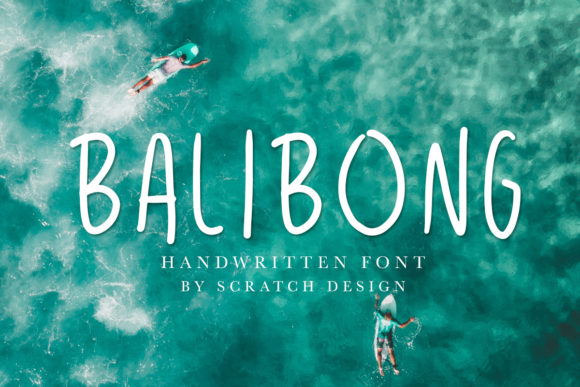
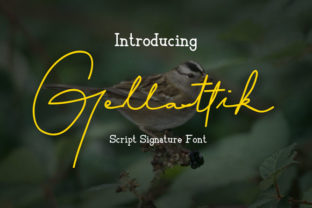
Gellattik is a friendly, hand-drawn typeface that feels like it was sketched by a cheerful friend—not a machine. Its uneven baseline, gentle curves, and slight bounce give it warmth and personality without looking messy or hard to read. It’s not just “cute” for the sake of it; every letter has intention, rhythm, and charm that works across screens and print.
Why Designers Reach for Gellattik
People choose Gellattik when they want their message to feel human—not polished to perfection, but sincere and inviting. It’s especially helpful if your work leans into playfulness, care, creativity, or approachability: think kids’ learning materials, small-batch product labels, handmade shop branding, or social media graphics for educators and wellness coaches.
Unlike many handwritten fonts that sacrifice legibility for flair, Gellattik keeps its lowercase “a,” “g,” and “e” clear and distinct—even at smaller sizes. That makes it practical for real-world use, not just decorative headlines.
Where Gellattik Fits Naturally
You don’t need design experience to get value from Gellattik. Here’s how different people use it in everyday ways:
- Bloggers and content creators add Gellattik to quote cards, newsletter headers, or Instagram story text overlays—it softens tone and encourages engagement without shouting.
- Small business owners (like candle makers, bakers, or plant shops) use it on packaging, price tags, and thank-you notes to reinforce a warm, personal brand voice.
- Educators and parents build printable worksheets, classroom posters, or reading flashcards with Gellattik—it feels less formal than standard sans-serifs, which helps younger learners stay relaxed and focused.
- Freelancers and marketers drop it into mood boards, client proposals, or pitch decks when they want to signal creativity and empathy—not corporate stiffness.
It also pairs well with clean, neutral fonts like Inter, Lato, or Open Sans. Try using Gellattik for headings or short phrases, then switch to a simple sans-serif for body text. This contrast adds visual interest while keeping things readable and balanced.
What Makes Gellattik Stand Out
Its uniqueness isn’t just visual—it’s emotional. Gellattik doesn’t try to mimic calligraphy or brush lettering. Instead, it captures the lightness of quick pen strokes: slightly wobbly, full of subtle variation, and never robotic. That authenticity resonates with audiences tired of overproduced visuals.
It’s also versatile in tone. Used sparingly on a minimalist website banner, it adds a whisper of joy. Paired with pastel colors and soft shadows in a brochure, it feels like a cozy invitation. Even in black-and-white print, Gellattik holds its own—its weight and spacing are carefully tuned so it doesn’t fade or overwhelm.
Realistic Things to Keep in Mind
Like any tool, Gellattik shines brightest when used thoughtfully—not everywhere, all the time. Here’s what helps users get the most from it:
- Length matters. Gellattik works best for short bursts of text—headlines, slogans, buttons, labels, or captions. Avoid long paragraphs or dense blocks; its charm can tire the eye if overused.
- Context shapes impact. A tech startup announcing a new AI feature might find Gellattik too soft unless paired with strong supporting visuals or messaging. But that same startup using it in an internal team welcome guide? Perfect fit.
- Test across devices. While Gellattik renders cleanly on modern browsers and design apps, always preview how it looks on mobile screens—especially in email clients or social feeds where font fallbacks may apply.
- Licensing is straightforward—but check it. Most versions allow personal and commercial use, including merchandise and digital products. Just verify the license terms before launching a paid course or selling branded merch.
Getting Started Is Simple
No steep learning curve here. If you’ve ever typed in Canva, Figma, Adobe Express, or Google Slides, you already know how to use Gellattik. Download the OTF or TTF file, install it on your computer (or upload directly in web-based tools), and start experimenting.
Try these beginner-friendly combos:
- A greeting card with “You’re amazing!” in Gellattik and the rest in a soft gray sans-serif.
- A Pinterest pin title like “5-Minute Morning Stretch” set in Gellattik over a calm background photo.
- A café chalkboard menu where daily specials pop in Gellattik beside neatly typed prices.
You’ll notice right away how it shifts the mood—not dramatically, but meaningfully. It’s the difference between saying something and making someone feel something.
When Gellattik Isn’t the Right Choice
That doesn’t mean it’s wrong—it just means other fonts may serve better. Gellattik isn’t ideal for legal disclaimers, technical documentation, data-heavy dashboards, or high-contrast accessibility needs where ultra-clarity is non-negotiable. It’s also not meant to compete with bold display fonts for dramatic impact—its strength is quiet confidence, not loud presence.
If your goal is sleek minimalism, sharp authority, or futuristic energy, look elsewhere. But if your aim is connection, kindness, or creative ease—Gellattik fits like a favorite sweater.
A Font With Quiet Confidence
Gellattik reminds us that design doesn’t always have to impress—it can simply resonate. It’s the kind of font that makes people pause, smile, and lean in a little closer. Whether you're launching a passion project, updating your portfolio, or designing your first online shop, it offers a low-risk way to add warmth and distinction.
And because it’s designed to be approachable—not intimidating—it invites experimentation. Try it in a color you wouldn’t normally use. Layer it over texture. Rotate it slightly for a casual vibe. See what feels true to your voice.
Great typography doesn’t shout “look at me.” It says, “I see you—and I’m glad you’re here.” That’s the quiet power of Gellattik.